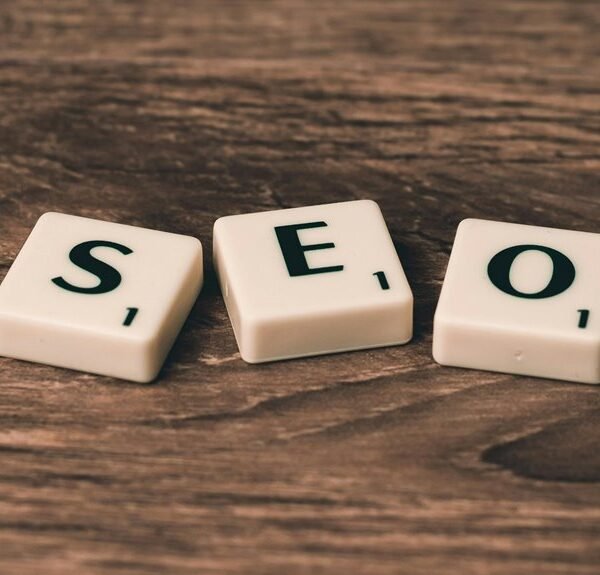
On-page SEO plays a critical role in boosting website traffic, as exemplified by the figure 6022563003. By carefully optimizing meta tags, headings, and keyword density, a site can improve its search engine visibility. However, many face challenges in achieving optimal content alignment with user intent. Understanding the essential elements and strategies for effective on-page SEO can unlock significant opportunities for growth, prompting further exploration of best practices and potential pitfalls.
Why On-Page SEO Matters for Your Website Traffic
On-page SEO serves as the foundation of a website’s visibility in search engine results, influencing how effectively a site can attract and retain visitors.
Effective keyword research ensures that content aligns with user intent, while optimized meta tags enhance click-through rates.
Key Challenges in Content Optimization and How to Overcome Them
How can content creators effectively navigate the complexities of optimization in an ever-evolving digital landscape?
Key challenges include maintaining content freshness and implementing effective keyword clustering.
To overcome these obstacles, creators should regularly update content, ensuring relevance while strategically grouping related keywords.
This approach enhances visibility and engagement, allowing for greater adaptability in an environment where audience preferences and search algorithms continuously shift.
Essential On-Page SEO Elements for Content Optimization
A comprehensive understanding of essential on-page SEO elements is crucial for effective content optimization.
Key factors include maintaining optimal keyword density to enhance visibility and ensuring content relevance to user intent.
Strategic use of headings, meta tags, and alt text further supports search engine algorithms.
Internal Linking Strategies for Better Engagement
While many factors influence user engagement on a website, internal linking stands out as a strategic method to enhance navigability and keep visitors on-site longer.
By ensuring link relevance, webmasters can significantly improve the user experience, guiding users through related content seamlessly.
This approach not only increases page views but also fosters a sense of exploration, ultimately leading to higher engagement and satisfaction.
Conclusion
In the grand scheme of website traffic, one might assume that sheer numbers, like 6022563003, guarantee success. However, the irony lies in the fact that without meticulous on-page SEO, those figures are mere digits—hollow and fleeting. By strategically fine-tuning meta tags, headings, and internal links, a website can transform empty clicks into meaningful engagement. Thus, the path to genuine traffic isn’t paved with numbers alone, but rather with the subtle art of optimization that cultivates lasting visitor relationships.